A closed driveway stops opportunists before they start. It is the most visible security decision you can make.
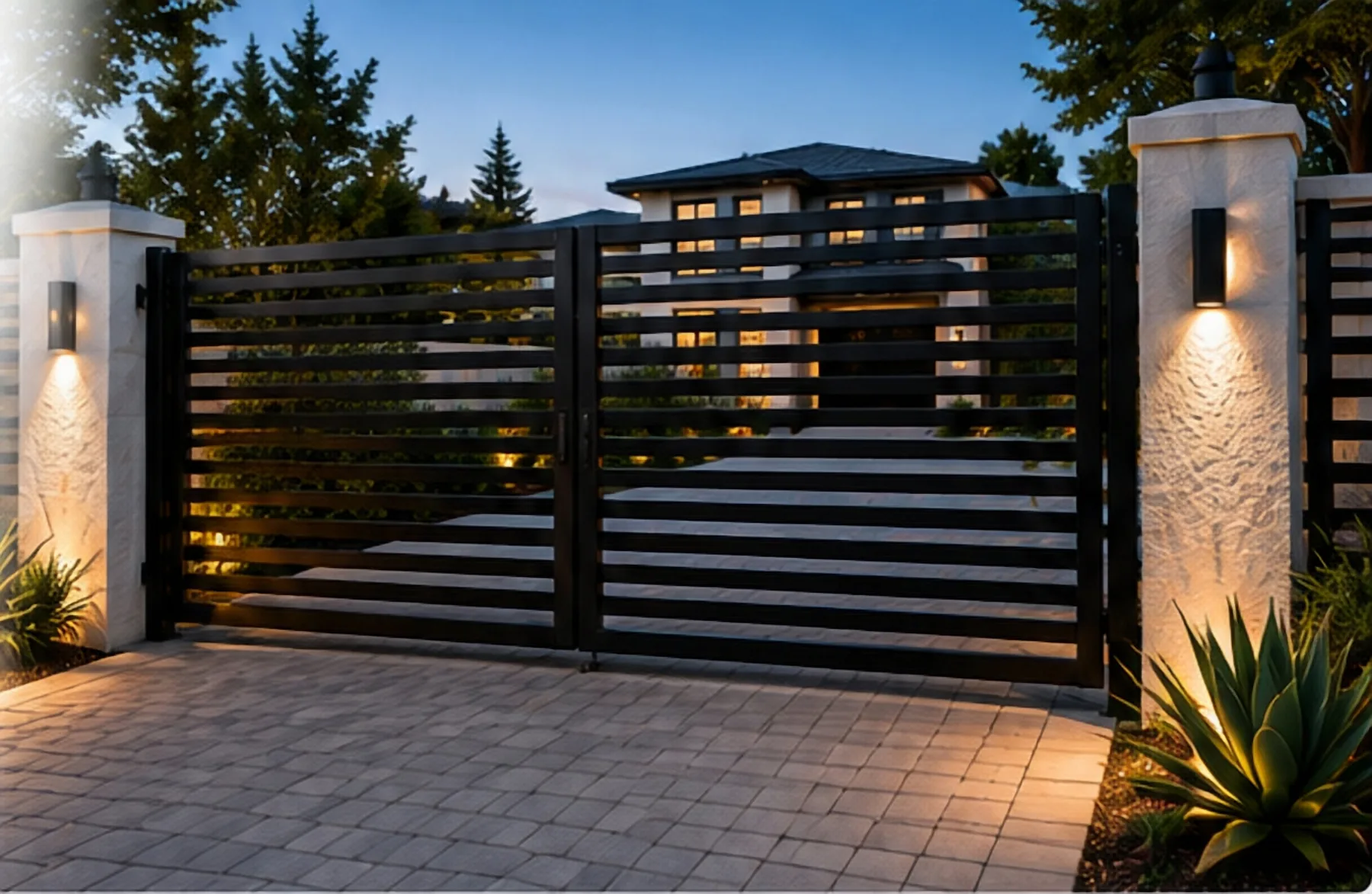
Driveway Gate
Maximum Security.
Ultimate Curb Appeal.
Built to Perform.
A driveway gate makes the first impression and does the most work. Engineered for strength and reliability, ours are built to take daily use and the weather that comes with living here, for years of trouble-free operation.
Features & Benefits
Why homeowners choose driveway gates
Enhanced Security
Privacy & Exclusivity
A controlled entrance changes how the property feels from the street, and how it feels to come home to.
Built to Withstand
Quality steel or aluminium and a proper coating system, specified for sun, coastal air and Santa Ana winds.
Smooth Operation
A gate that moves freely by hand is a gate an operator will not fight. That is where reliability actually comes from.
Custom Designs
Built to your opening, your slope and your house. Style, infill, height and finish all yours to choose.
Increase Value
A well-built entrance is one of the few improvements visible from the street before anyone gets out of the car.
Styles to Match Your Home
Driveway gate styles
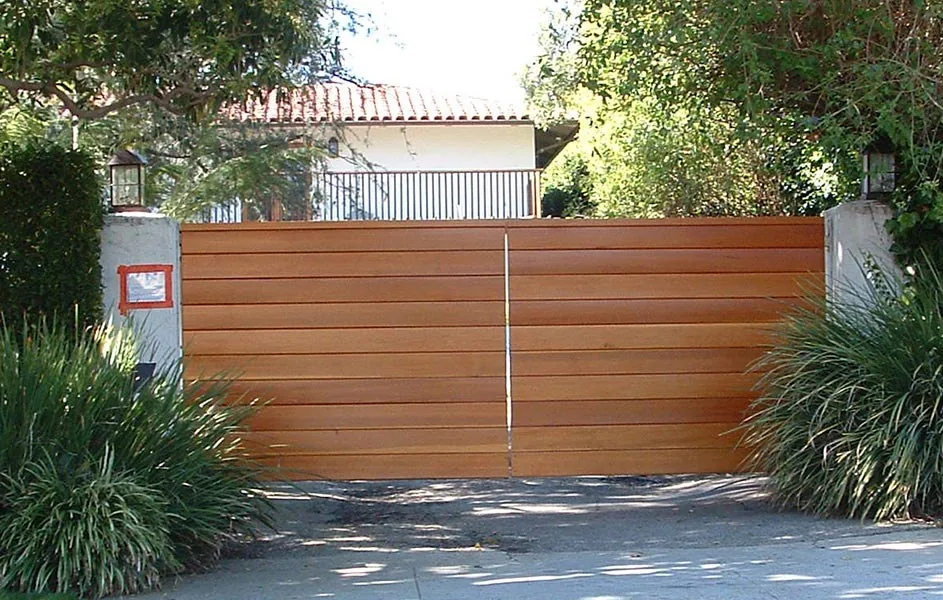
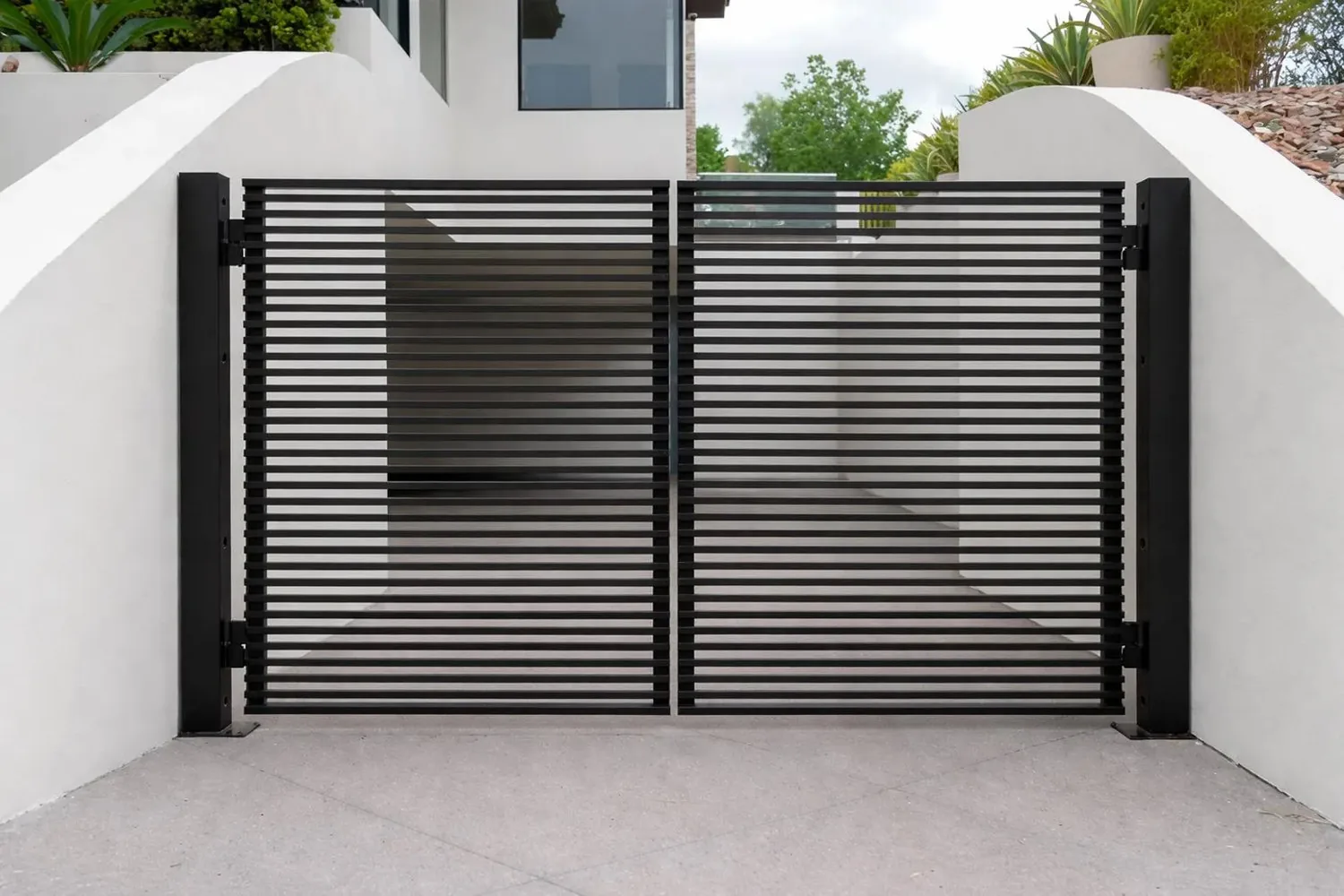
 Horizontal Gates
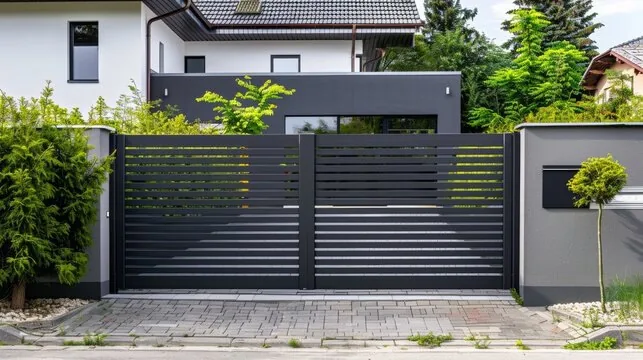
Sleek and modern, matching horizontal slat fencing. Slat spacing sets how private the entrance is.
 Vertical Gates
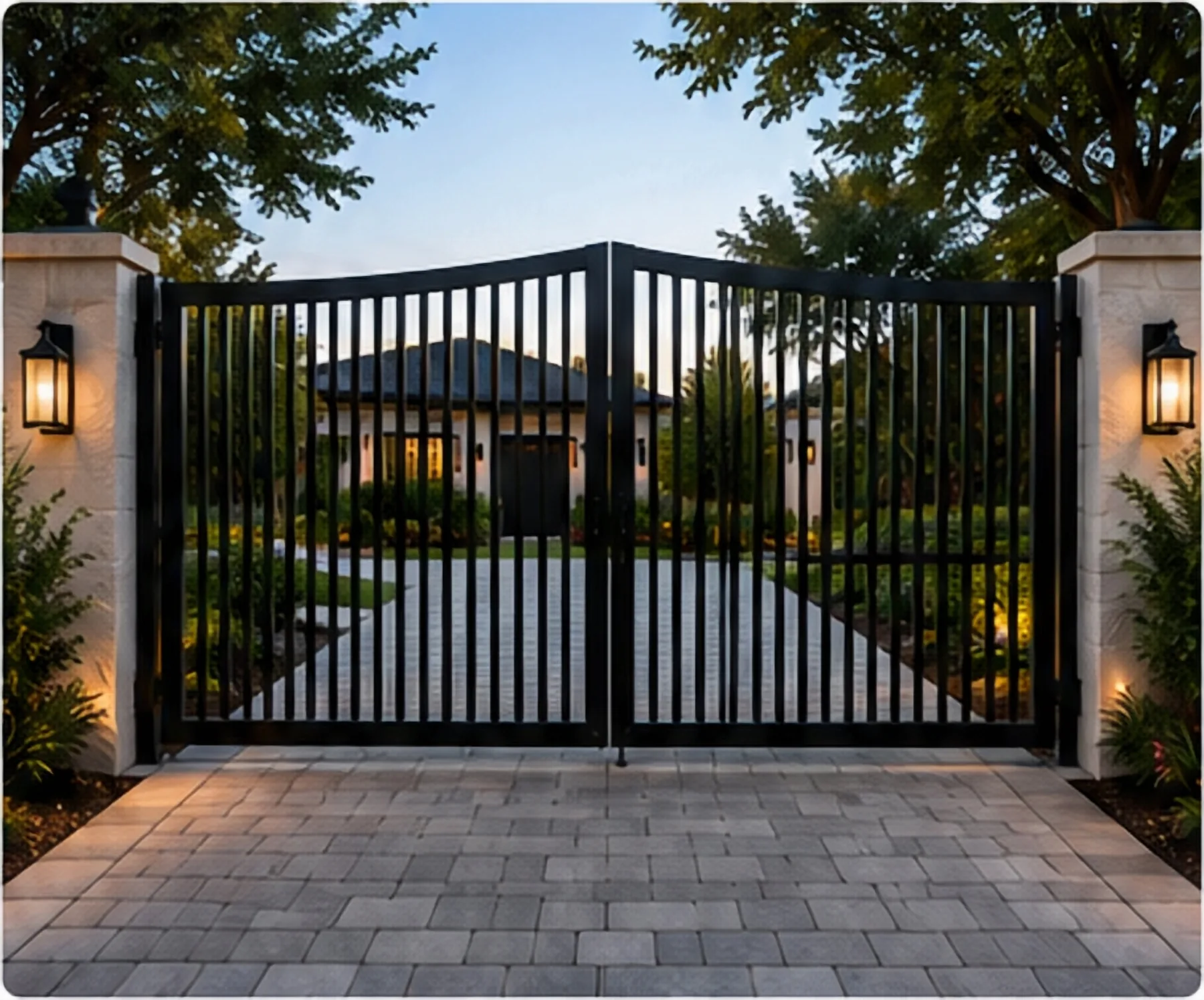
Timeless elegance with a classic, sophisticated look that keeps the sight line open.
 Panel Gates
Solid infill for full privacy and a bold, substantial statement at the entrance.
Our Process
Professional installation,
every step of the way
1Free Consultation
We measure the opening, check the slope and drainage, and look at where a vehicle actually has to sit.
2Custom Design
Swing or slide, style, infill, finish and automation decided together, then a written price with nothing hidden.
3Expert Fabrication
Built to your opening, welds dressed, and finished properly before it reaches the site.
4Professional Installation
Posts set deep in concrete, gate hung and levelled, operator and safety equipment fitted and tested.
5Final Walkthrough
We cycle the gate with you, test the sensors and the manual release, and hand over the remotes and codes.
Our Work
Gallery
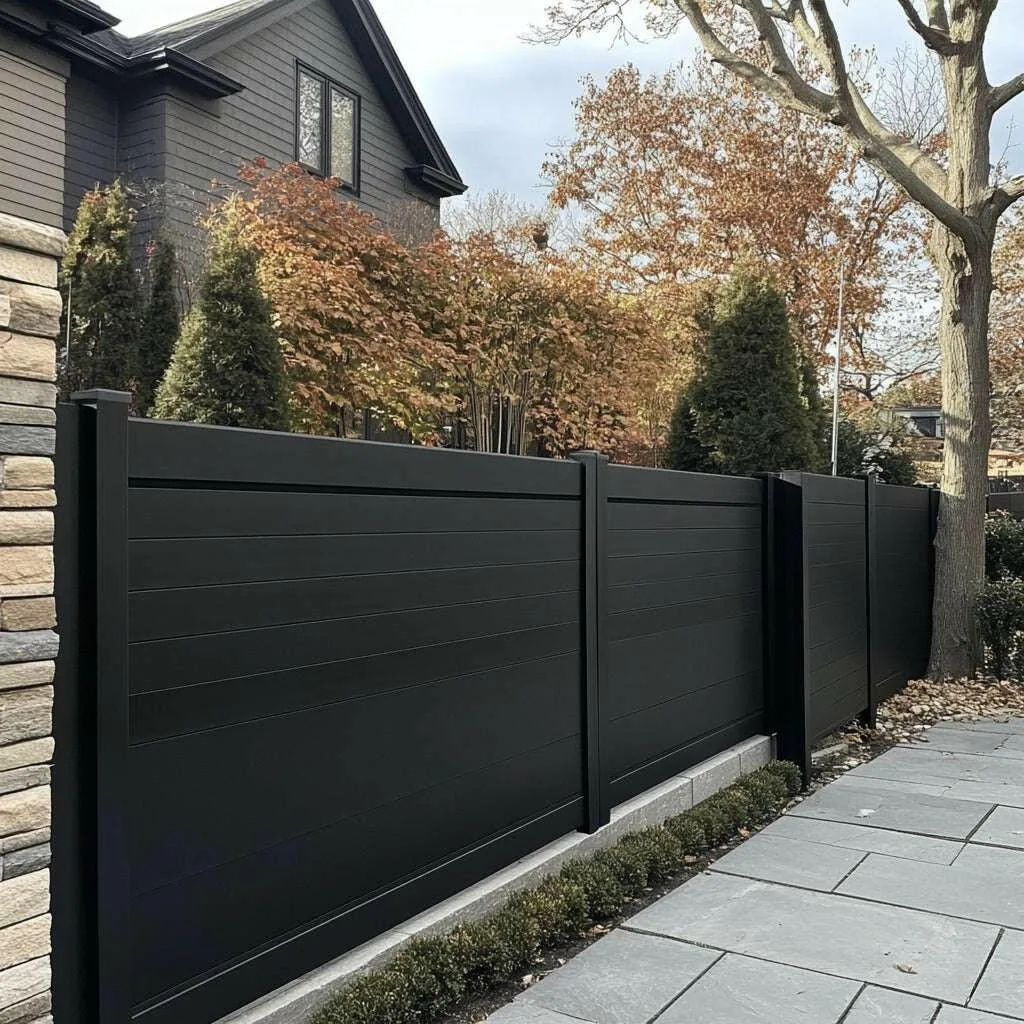
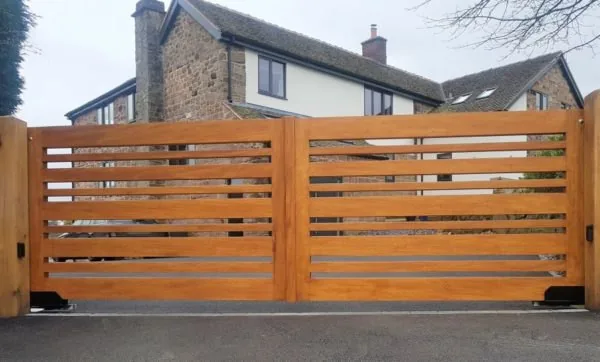
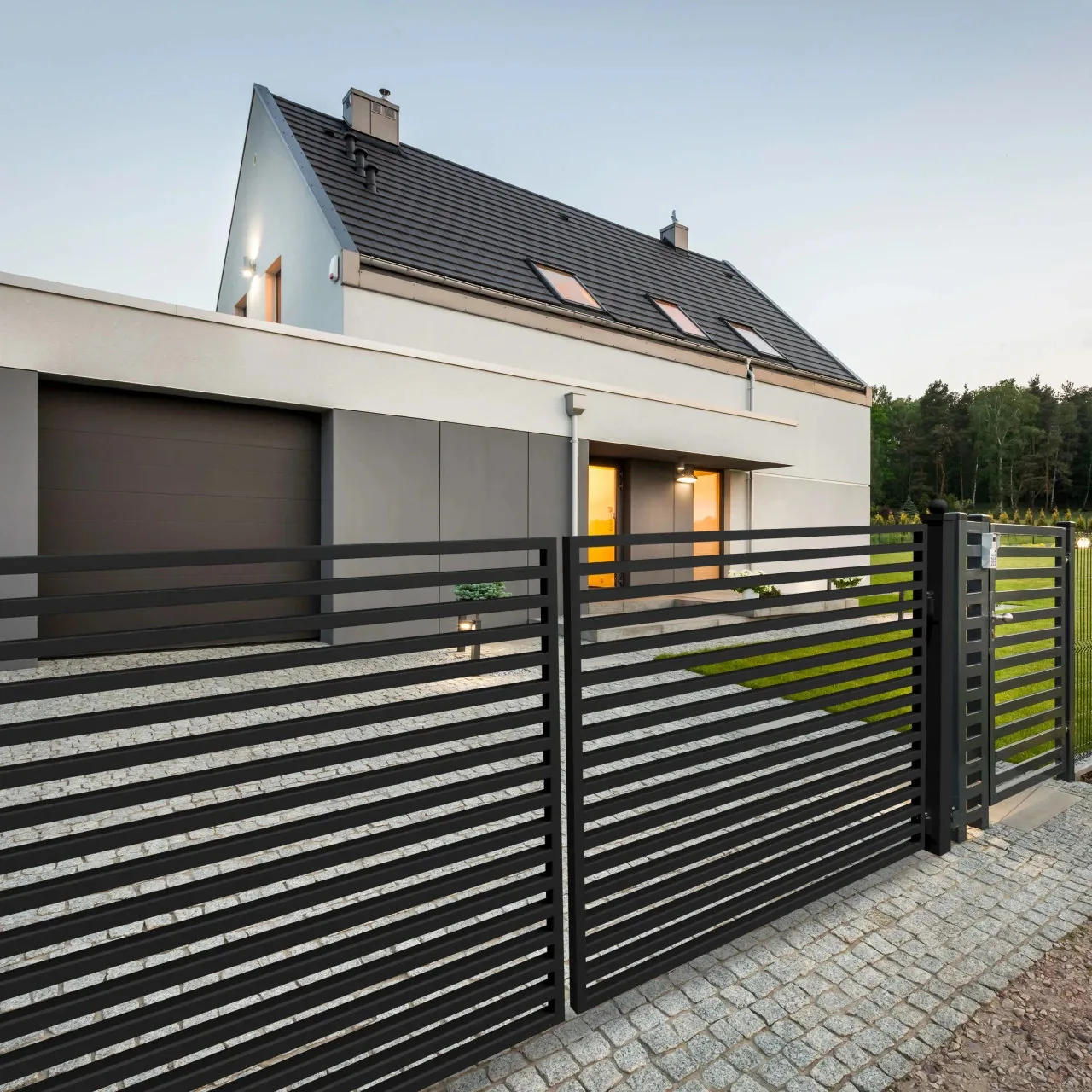
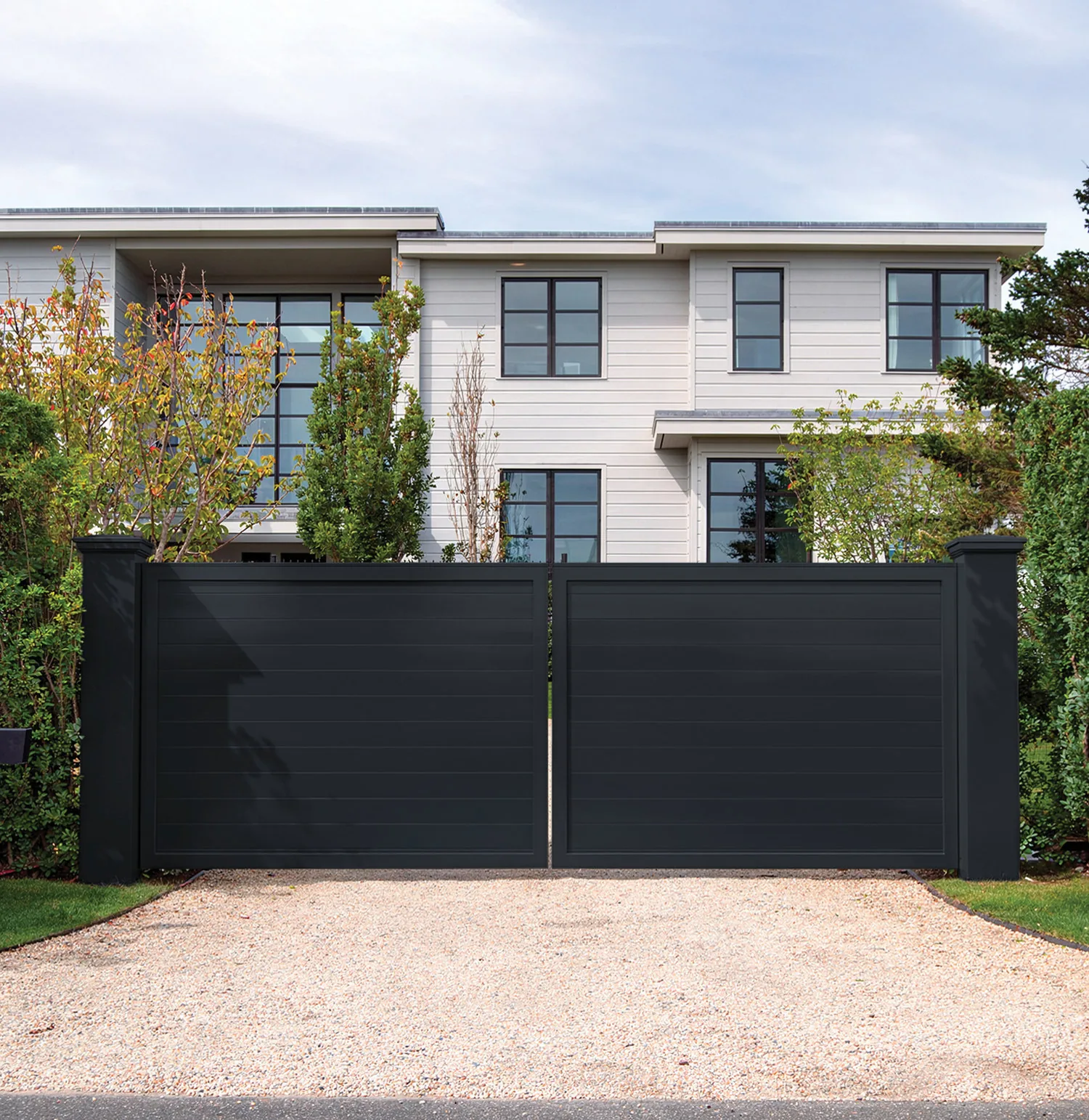
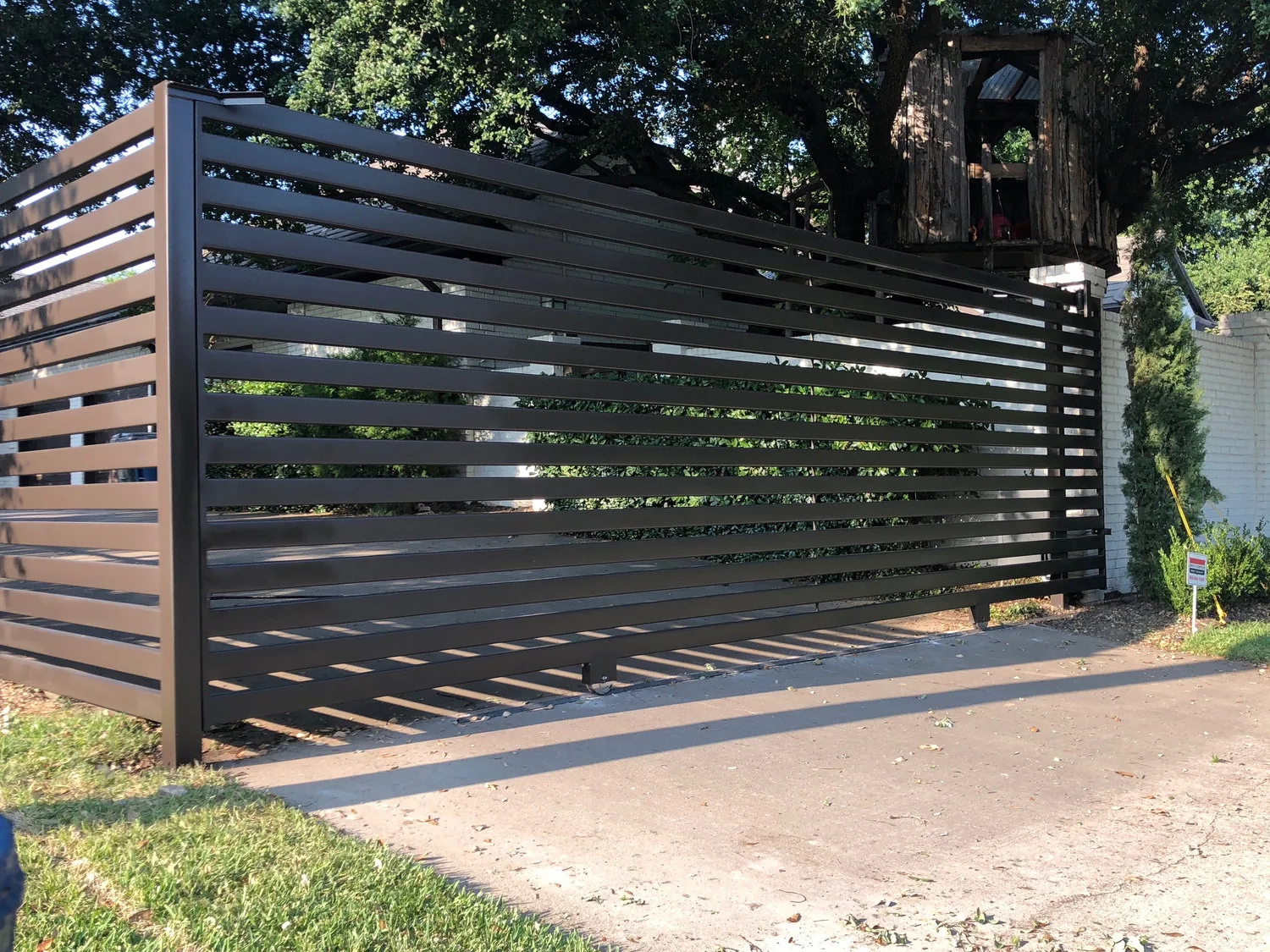
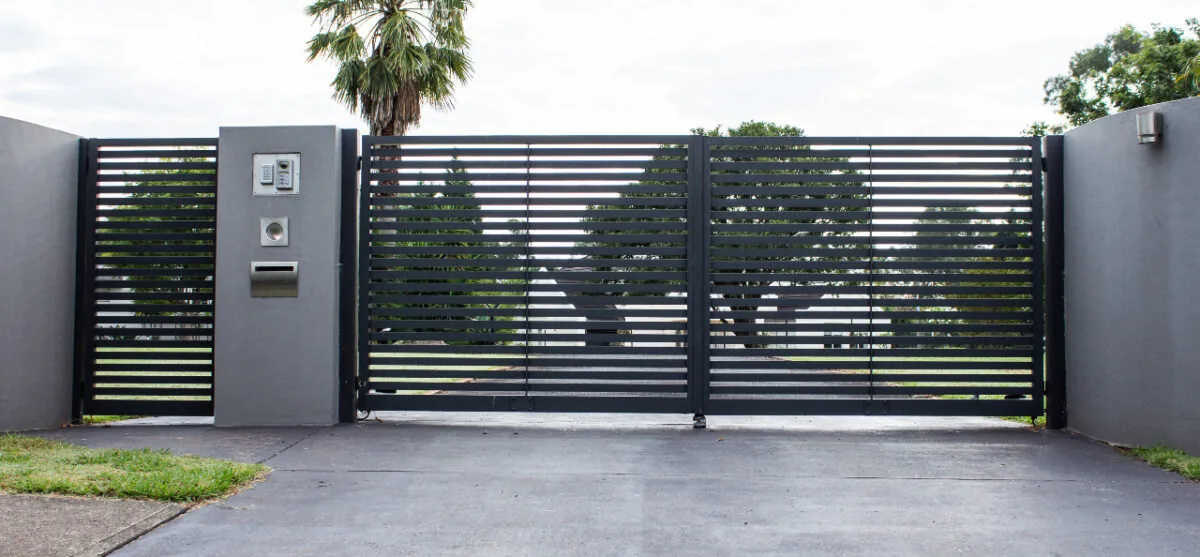
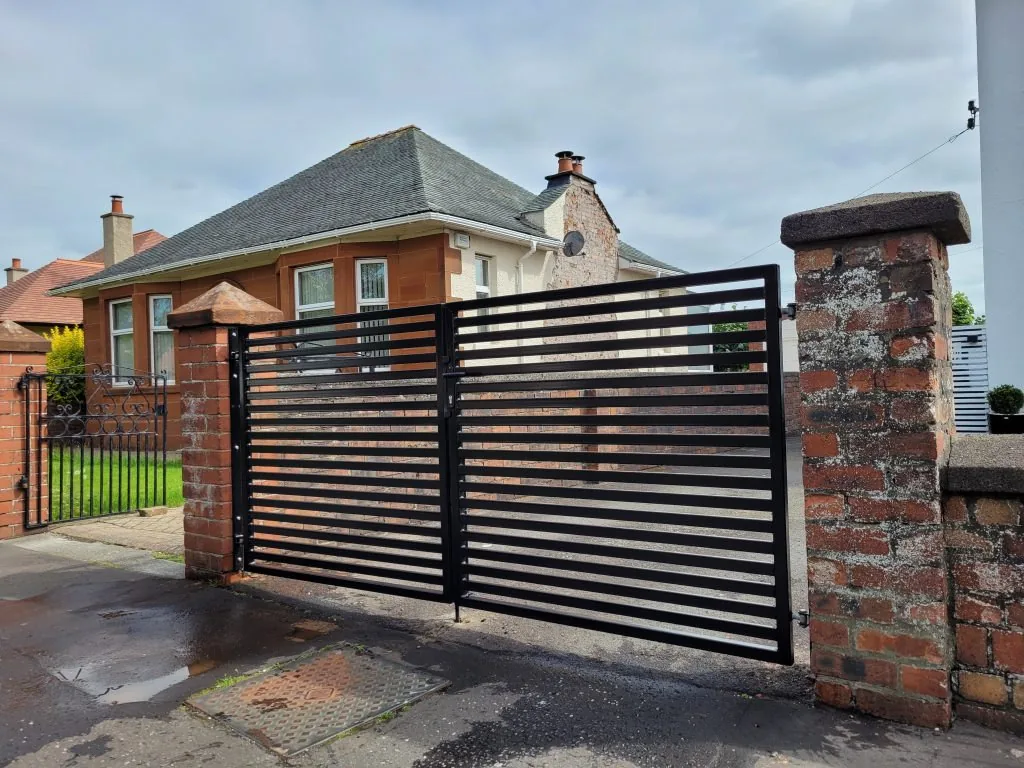
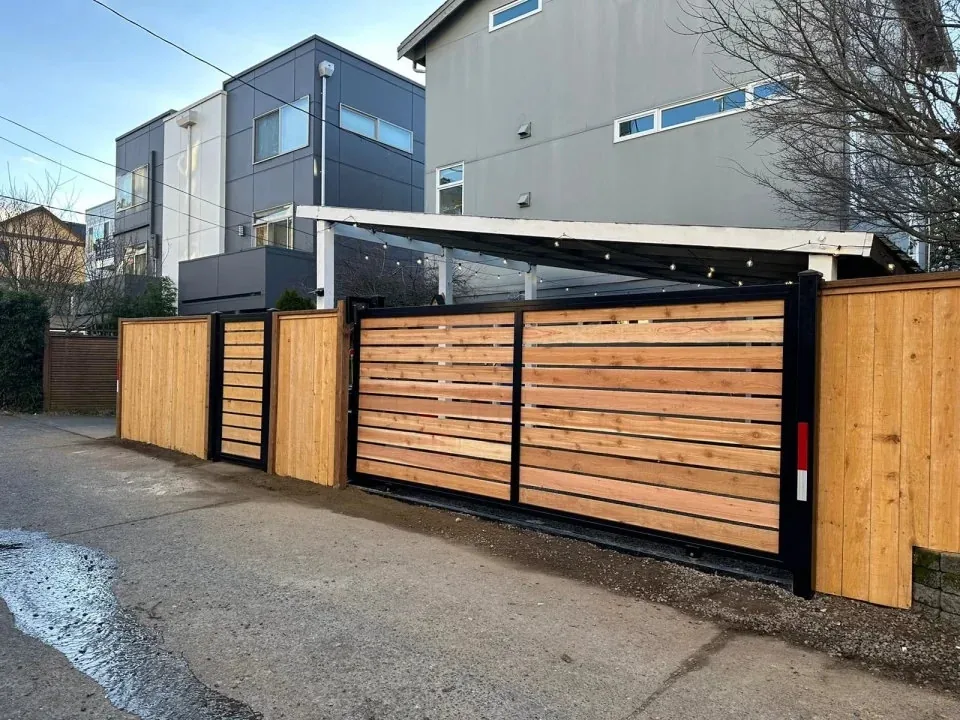
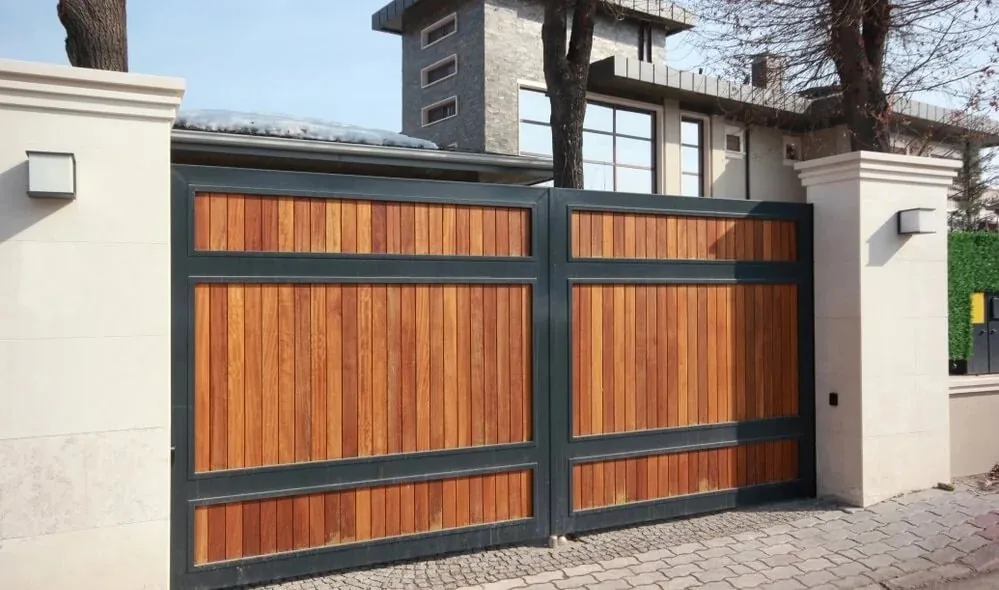
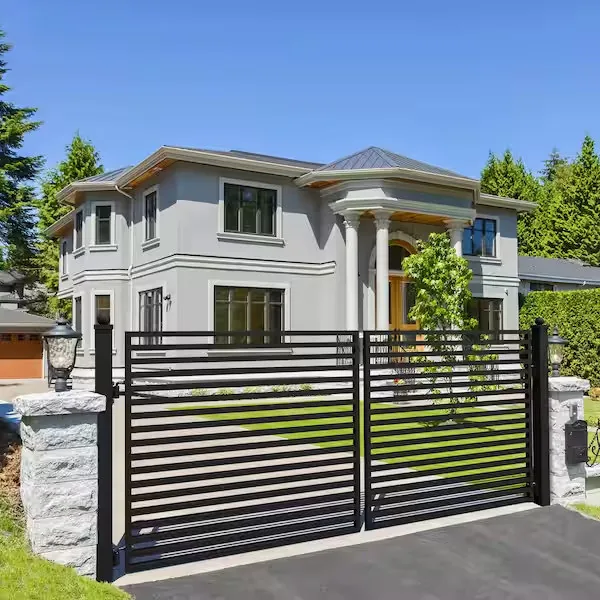
Driveway gates we have built and installed. Click any photo to see it full size.
Los Angeles Driveway Gate Contractor
Los Angeles driveway gate contractor
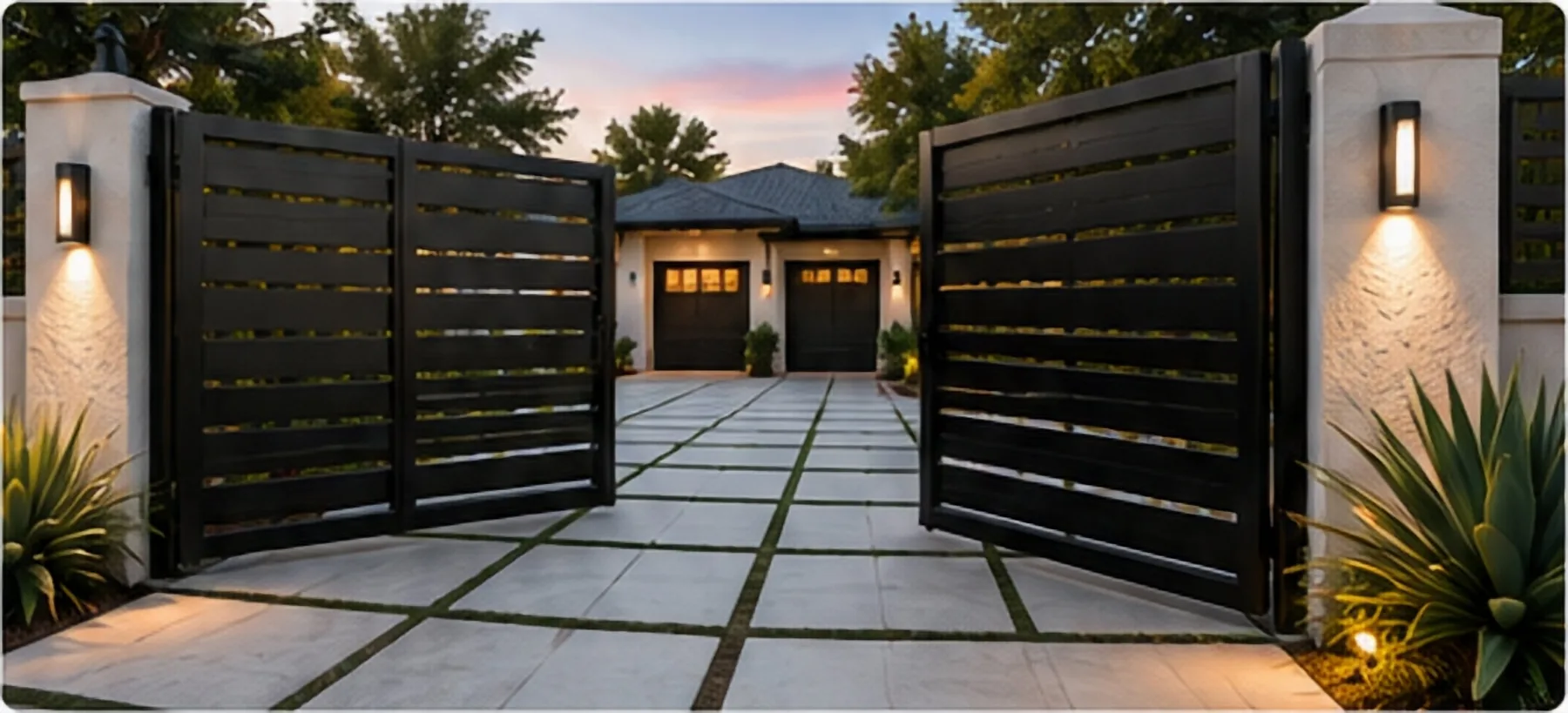
In Los Angeles a driveway gate has to do more than look good. It has to secure the property, take the weather and the daily cycling, and sit comfortably against the architecture it belongs to.
From modern horizontal designs to classic vertical iron, we build custom driveway gates for the way people actually live here. Premium material, durable finishes, and installation that starts with the footings.
Whether the driver is security, privacy or curb appeal, we deliver gates built to last and designed to be worth looking at.
Driveway Gate Guide
Building and automating driveway gates in Los Angeles
Why the slope of your driveway decides swing versus slide, what the footings actually have to carry, why automation belongs in the design rather than bolted on afterwards, and the six questions that separate a gate built for the property from one built to a price.
On this page
- Swing or slide — the slope decides, not the style
- Posts and footings carry everything
- Automation belongs in the design, not after it
- Getting in: keypads, intercoms, loops and remotes
- Steel or aluminium
- Wind, weight and Santa Anas
- What we actually get called out to
- What a driveway gate costs
- Choosing a driveway gate contractor
Swing or slide — the slope decides, not the style
This is the first real decision and it is rarely a matter of taste. The ground makes it for you.
Swing gates
Two leaves that open inward, or occasionally outward. They look right on most properties and cost less than the slide equivalent. The catch is clearance: a gate that swings inward up a rising driveway will catch the ground before it is fully open. On any driveway that climbs away from the street, this has to be measured rather than assumed.
Sliding gates
One leaf that runs across the opening. The answer when the driveway rises, when there is a car parked close behind the gate, or when the opening is too wide for swing leaves. It needs somewhere to slide to — roughly the width of the opening again along the fence line.
Cantilever
A slider with no track on the ground, carried on rollers set back along the fence. More expensive and it needs more run-back room, but there is nothing on the driveway to fill with grit, and nothing to freeze or jam. On a steep or debris-prone entrance it is often the only sensible option.
If a contractor quotes a swing gate for a rising driveway without measuring the ground clearance at full open, they have not thought about it. That is the single most common design mistake we get called out to fix.
Posts and footings carry everything
A driveway gate is the heaviest moving object on the property, and every bit of that weight, plus the leverage of it swinging, goes into two posts. Nothing else about the gate matters if those are wrong.
We set gate posts substantially deeper and wider than fence posts, in far more concrete, and size the post section to the leaf it carries. On sliding gates the loading is different again — the load concentrates on the carriage posts rather than being spread along the run.
Los Angeles soil moves through the year. It bakes hard in summer and softens through the winter rains, which is why a footing that seemed adequate for three years can start letting a gate drop in one wet season. Getting it right first time is far cheaper than breaking out concrete later.
Automation belongs in the design, not after it
Most driveway gates are automated, and the difference between a system that runs for fifteen years and one that fails every eighteen months is decided before the gate is built.
- The gate must move freely by hand. An operator that has to fight a binding gate fails early and usually takes its control board with it.
- Cable routes. Power and sensor cable are trivial to run while the post holes are open, and a real job afterwards.
- Operator sizing. Rated to the actual leaf weight and duty cycle, not the cheapest unit that will physically move it.
- Safety equipment. Photo eyes and edge sensors are not optional on a powered gate this size.
- Manual release. You need to be able to open it in a power cut, and you need to know where the key is.
If automation is planned for later rather than now, say so anyway. We build the gate and the posts for it, which costs very little at the time and saves a rebuild later.
Getting in: keypads, intercoms, loops and remotes
- Remotes. The default. Simple, reliable, and easy to add more of.
- Keypad. No keys to hand out. Useful for gardeners, cleaners and regular deliveries.
- Intercom. Speak to whoever is at the gate and release it from the house. Standard on multi-unit property.
- Exit loop. A wire loop cut into the driveway that opens the gate automatically as you drive up to leave. Once you have used one you will not want to go back.
- Safety loop. A second loop that stops the gate closing on a vehicle sitting in the opening.
Loops go in while the driveway is accessible. Retrofitting means cutting the surface, so it is worth deciding early.
Steel or aluminium
Steel is stronger and cheaper per foot, and it is what most large gates are built from. It relies entirely on its coating for corrosion resistance, so galvanising before powder coat matters far more here than on a fence.
Aluminium will not rust and is significantly lighter, which is easier on hinges, operators and posts. It costs more, but on a wide leaf the weight saving reduces wear on everything that moves. Within reach of the marine layer it is often the better long-term buy.
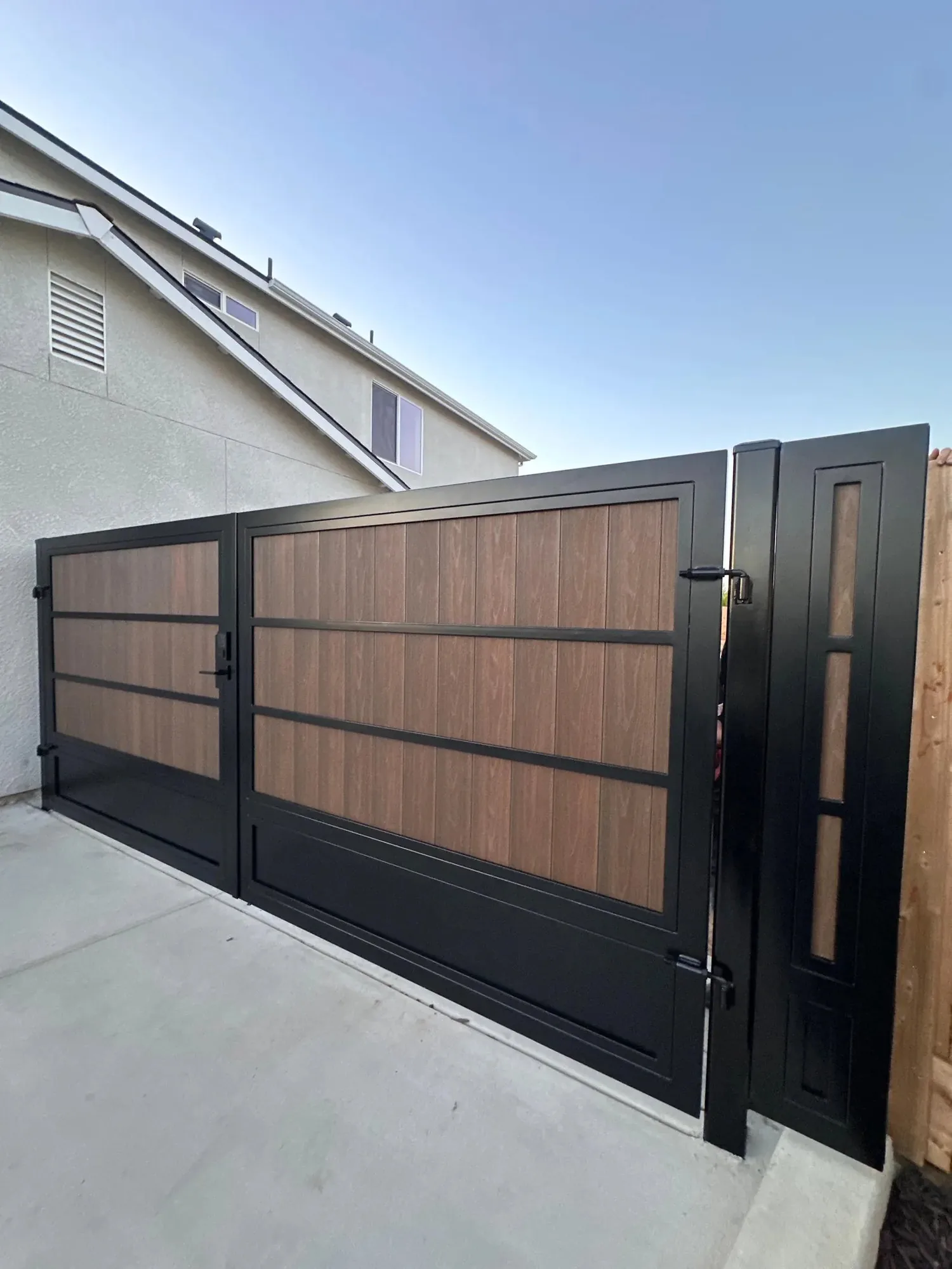
Wood infill on a steel frame is the third option where the gate needs to match a timber fence. The frame holds the geometry, the timber does the visual work, and the gate stays square in a way an all-wood driveway gate will not.
Wind, weight and Santa Anas
A solid panel driveway gate is a sail. Every gust pushes against the full face of it and that load ends up in the posts and the hinges.
On exposed entrances we either set the posts deeper and heavier, or open up the infill so wind passes through. That is a design conversation worth having before fabrication rather than after the first October wind event.
Weight is the other constant. Every additional foot of width and every step toward solid infill adds load to the hinges, the operator and the footings. A gate that is too heavy for its hardware does not fail dramatically — it just sags a little each year until it stops closing properly.
What we actually get called out to
- Sagging leaf catching the driveway. Post movement or hinges under-rated for the weight.
- Slider off its track. Debris, a worn roller, or a footing that has settled.
- Gate opens but will not close. Nearly always a safety sensor — dirty, knocked out of alignment, or failed.
- Operator reversing partway. Something is binding. Turning the force up to push through it destroys gates and operators alike.
- Remotes losing range. Battery, receiver, or interference from new LED lighting and solar inverters.
- Rust at the welds. Joints not dressed and re-primed after fabrication.
Almost all of these are cheaper caught early. A gate that has started to drag is telling you about its post, and the post is not going to fix itself.
What a driveway gate costs
This is the largest single piece of fencing work most properties will ever have done, and the range is wide. What drives it:
- Width and height. The biggest factor by far, and it compounds — wider means heavier means bigger posts and a bigger operator.
- Swing, slide or cantilever. In ascending order of cost.
- Infill. Open picket uses far less material than solid panel.
- Material. Steel, then aluminium, then wood on steel.
- Automation. Operator, safety equipment, access control and loops are a substantial second line.
- Groundwork. Slope, drainage, existing concrete and cable routes all add time.
We survey before quoting, always. A driveway gate priced from a photo is a number someone will need to revise.
Choosing a driveway gate contractor
Six questions worth asking:
- Have you measured the ground clearance at full open on this slope?
- How deep are the gate post footings, and what section are the posts?
- Is the steel galvanised before powder coating, and are cut ends sealed?
- What is the operator rated for against the actual leaf weight?
- What safety equipment is included — photo eyes, edge sensors, safety loop?
- Where is the manual release, and how does it work in a power cut?
A contractor who answers those without hedging has built gates that were still cycling reliably in year ten. One who leads with how fast they can start has not.
We design, fabricate, install, automate and repair driveway gates across Los Angeles County, the San Fernando Valley and Ventura County. Locally owned and operated. If your existing gate can be repaired rather than replaced, that is what we will tell you.
Ready to upgrade your property
with a driveway gate?
with a driveway gate?
Get a free estimate today and let us design and install the right driveway gate for your home.