Nothing else reads quite like real timber. It suits period houses and new builds alike, and it lifts the whole frontage.
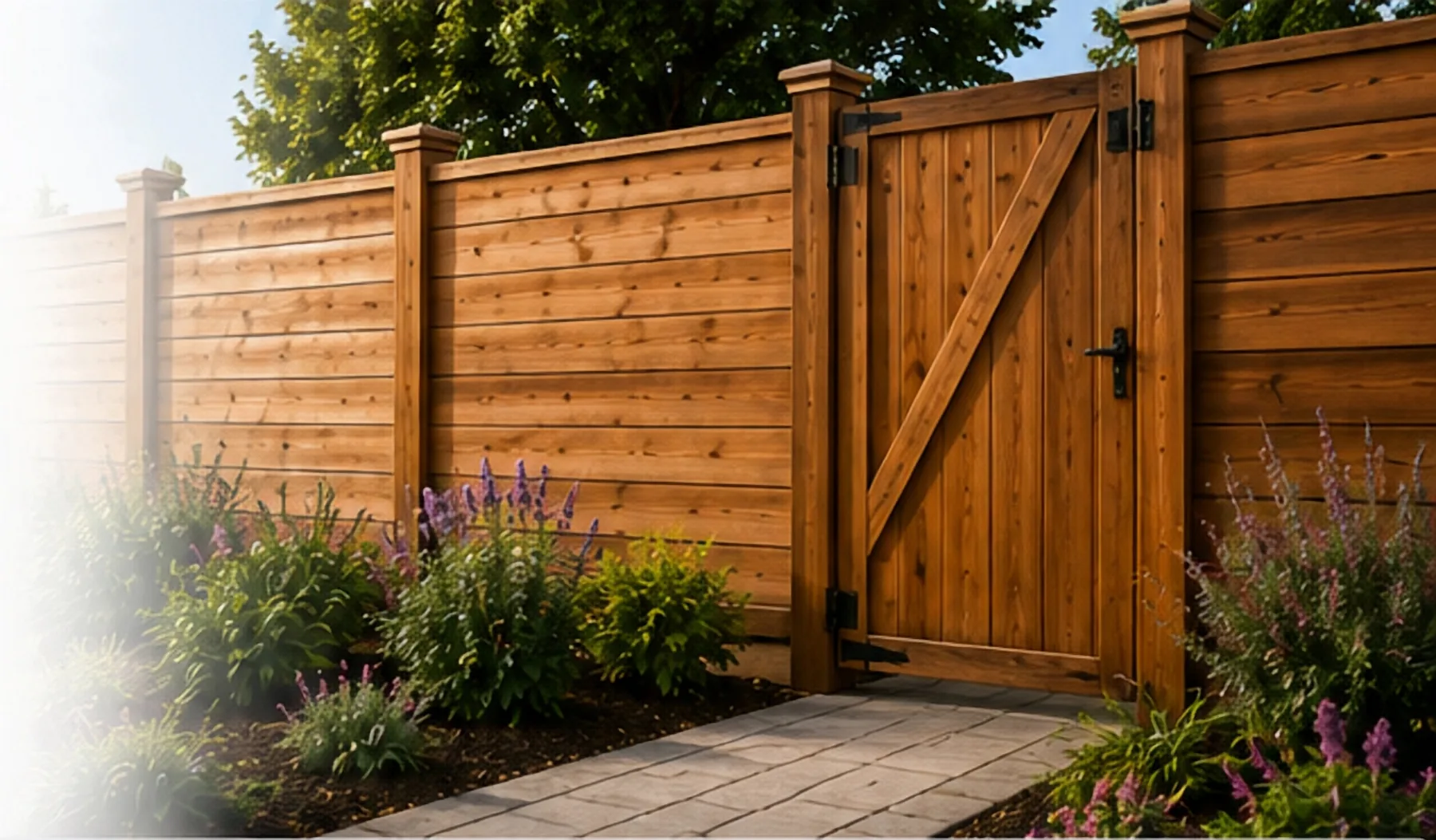
Wood Fence
Natural Beauty.
Timeless Strength.
Built to Protect.
Wood brings warmth, privacy and classic character to a property in a way no other material manages. Built from quality lumber and put together properly, a wood fence gives you strength and style that lasts.
Features & Benefits
Why homeowners choose wood fencing
Timeless Appeal
Strong & Durable
Cedar and redwood handle Southern California weather well when the posts are set properly and the framing is right.
Privacy & Security
Solid board construction gives you a real screen and a boundary that actually stops people wandering through.
Customizable
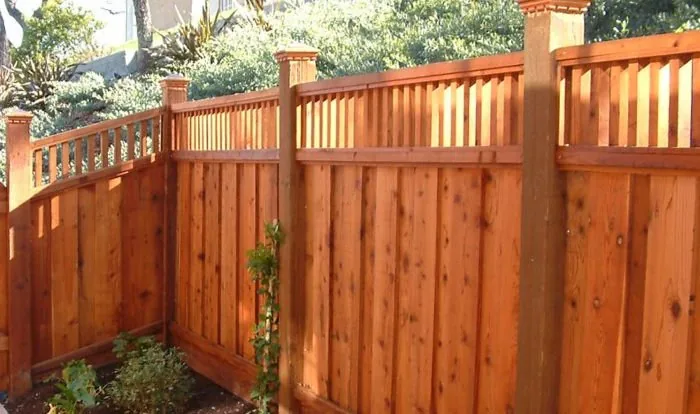
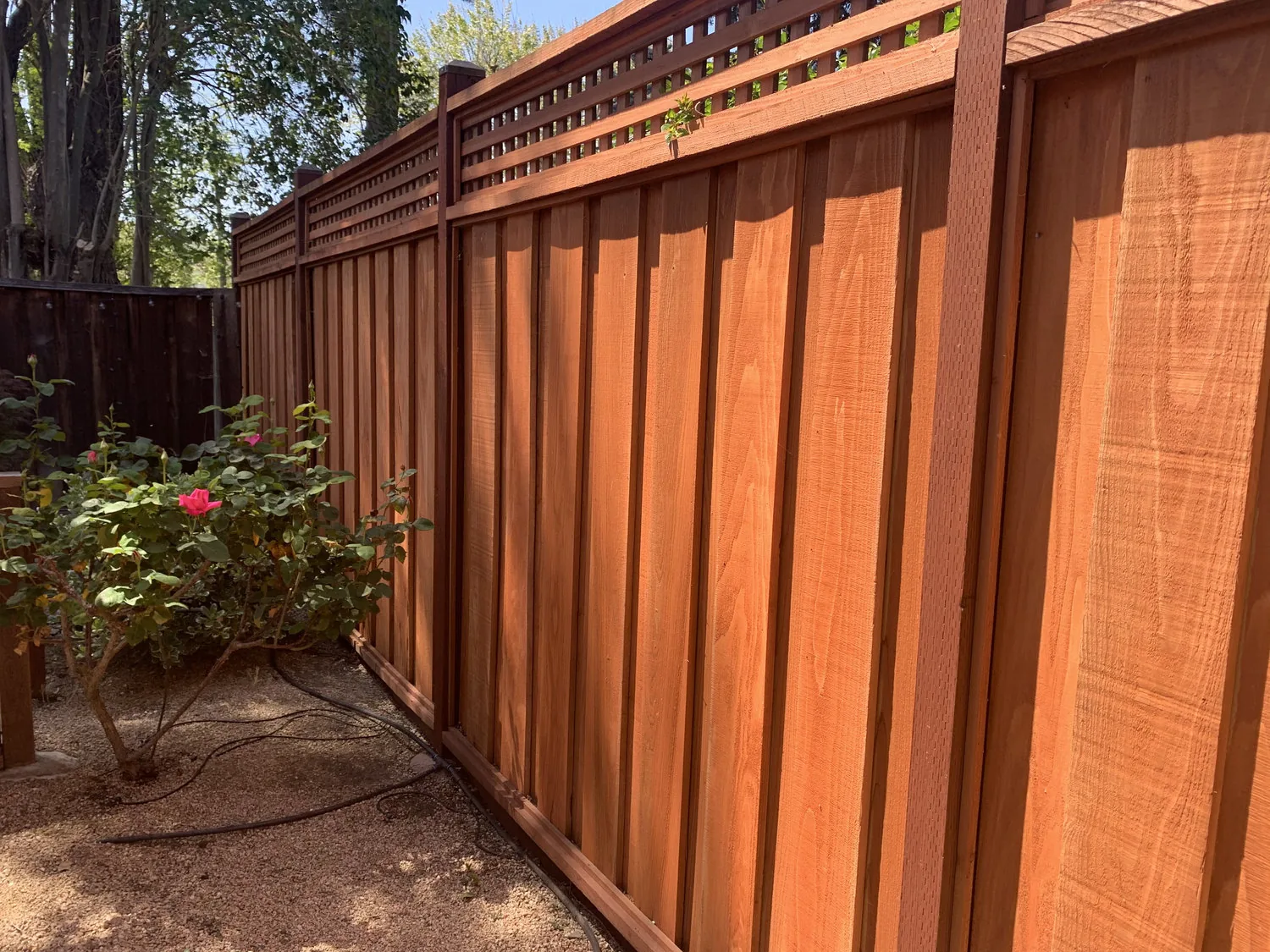
Height, board spacing, cap rails, post tops and stain colour all move. No two runs have to look the same.
Eco-Friendly
Timber is renewable and can be responsibly sourced, which is more than most fencing materials can claim.
Repairable
One damaged board is one board. You can replace it and carry on, which is not true of most panel systems.
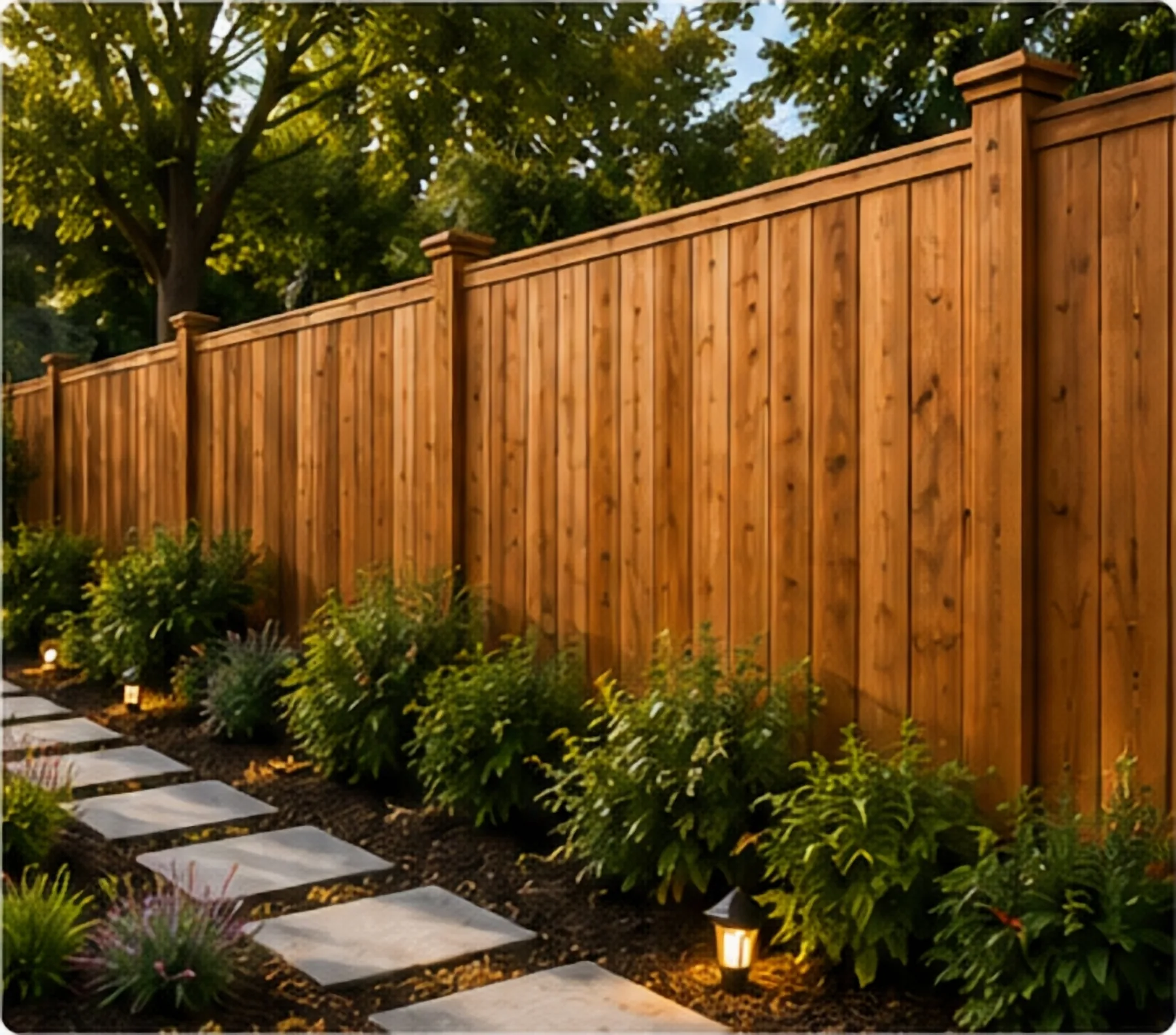
Styles to Match Your Home
Wood fence styles
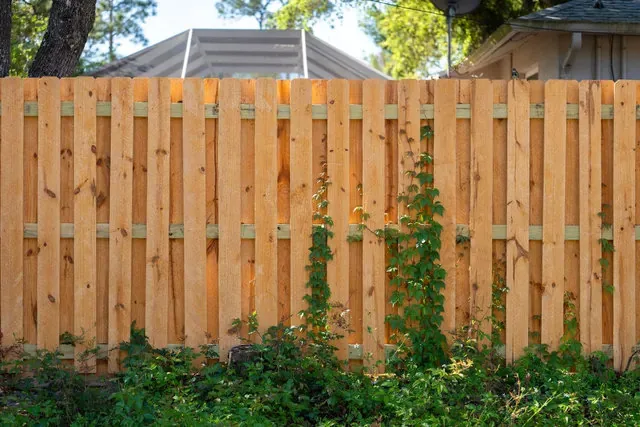
 Privacy Fence
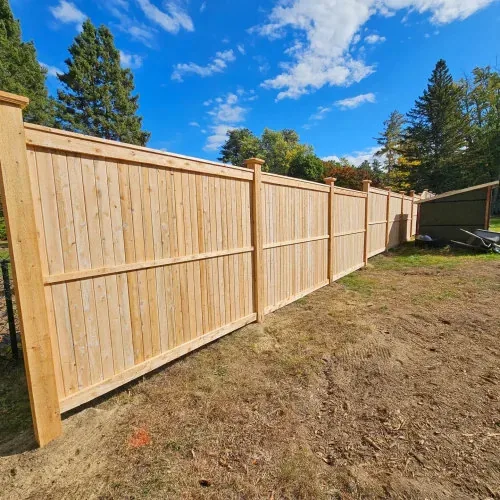
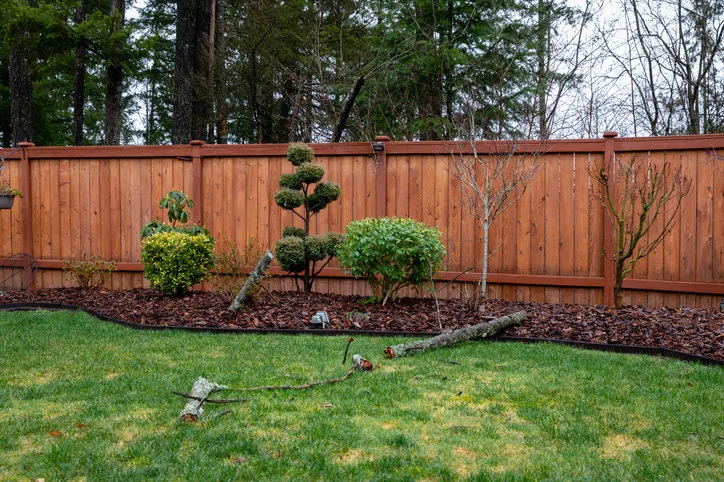
Full privacy with no gaps between the boards. The standard choice for a back yard or a side return.
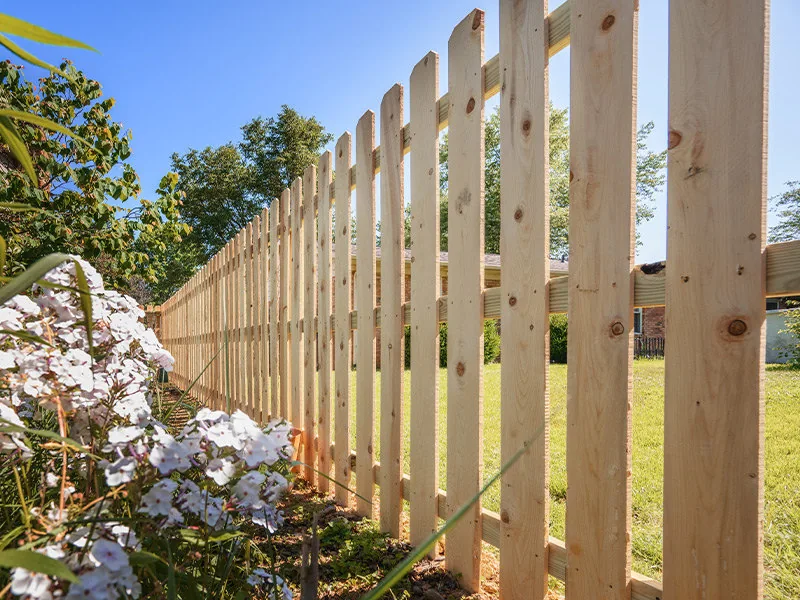
 Picket Fence
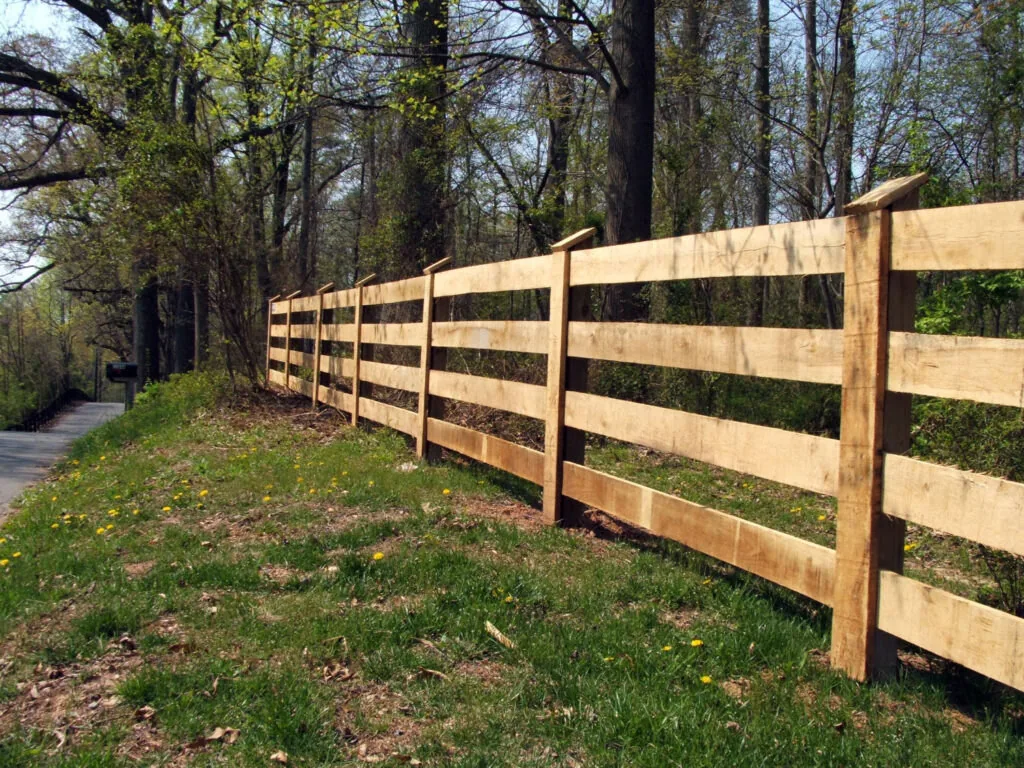
Classic and charming. Marks a front yard without shutting it off from the street.
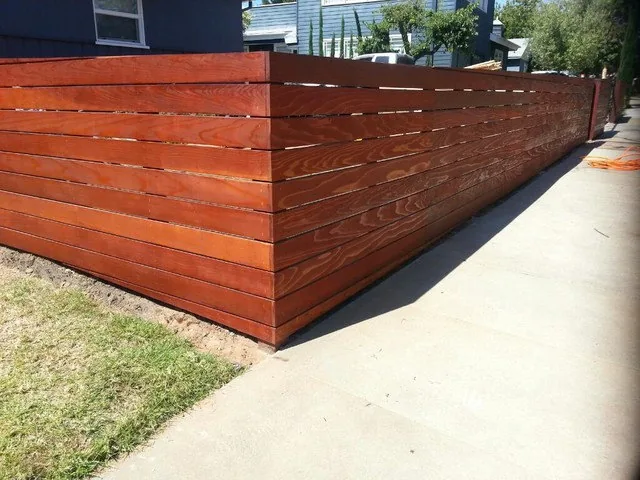
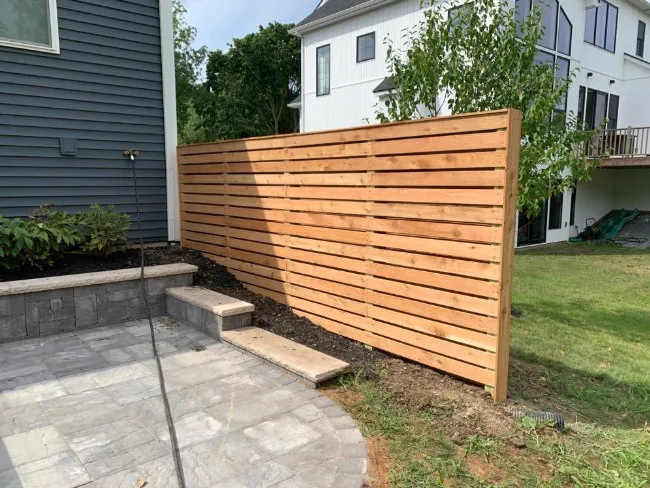
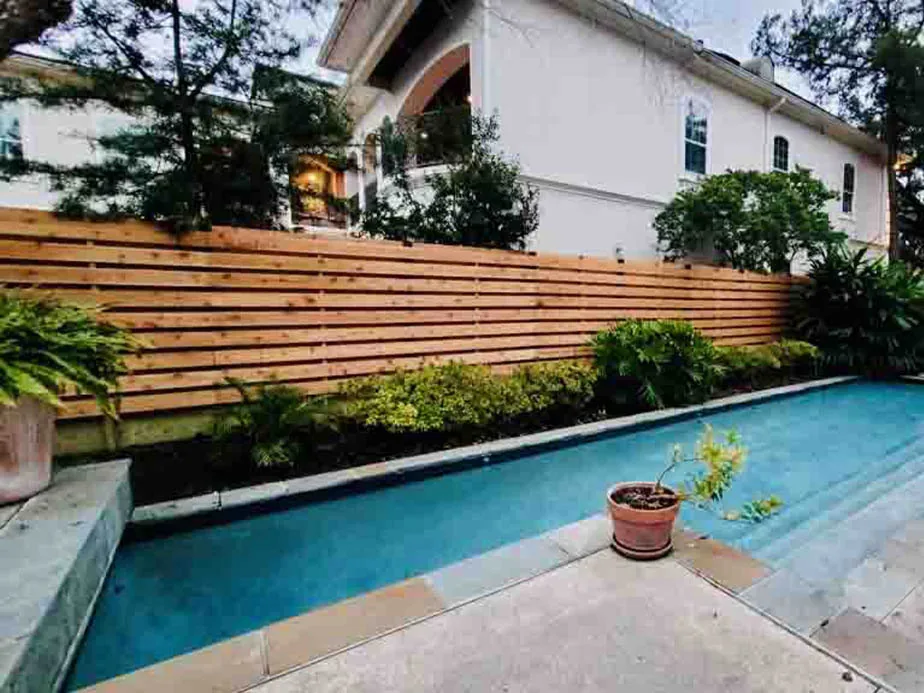
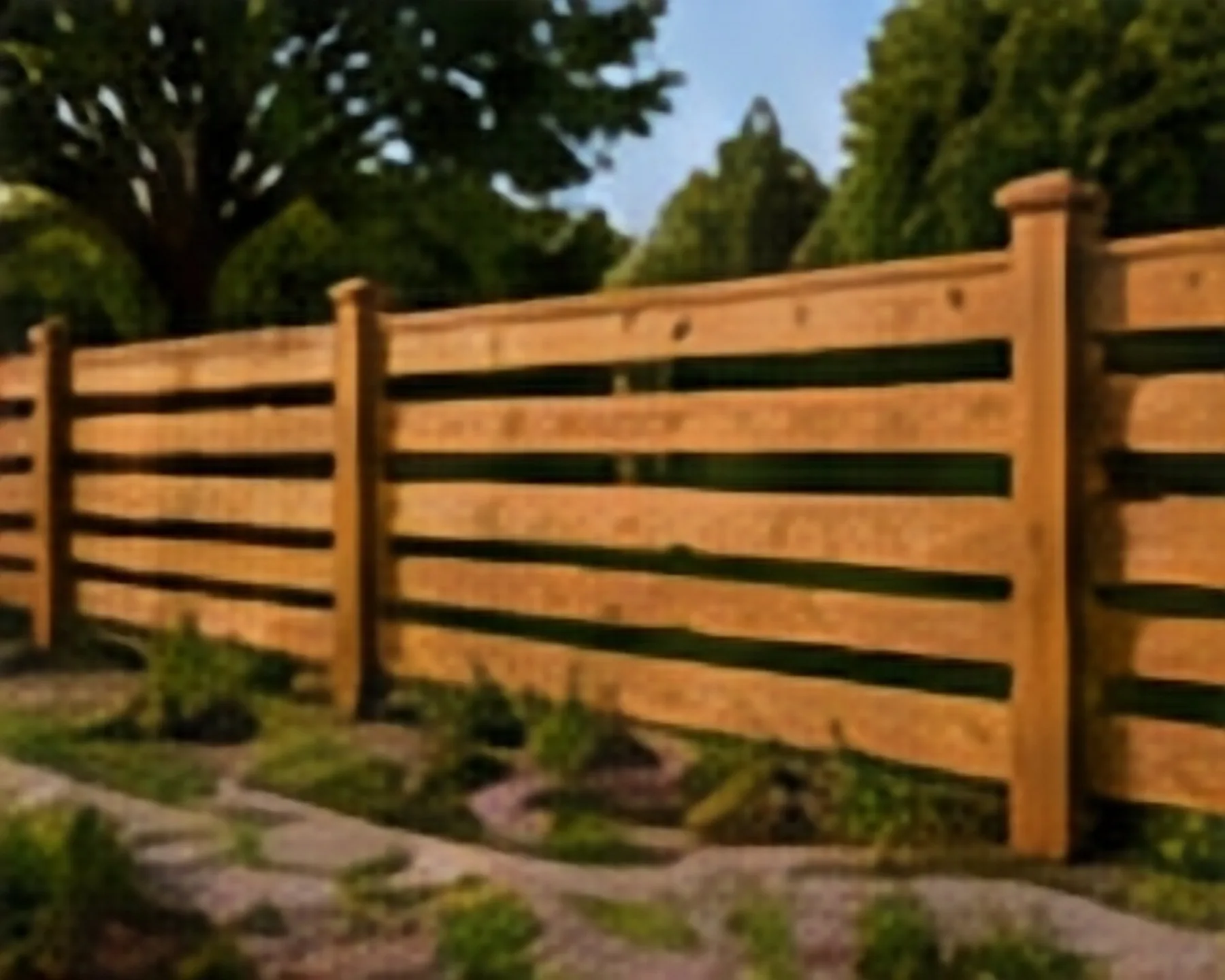 Horizontal Fence
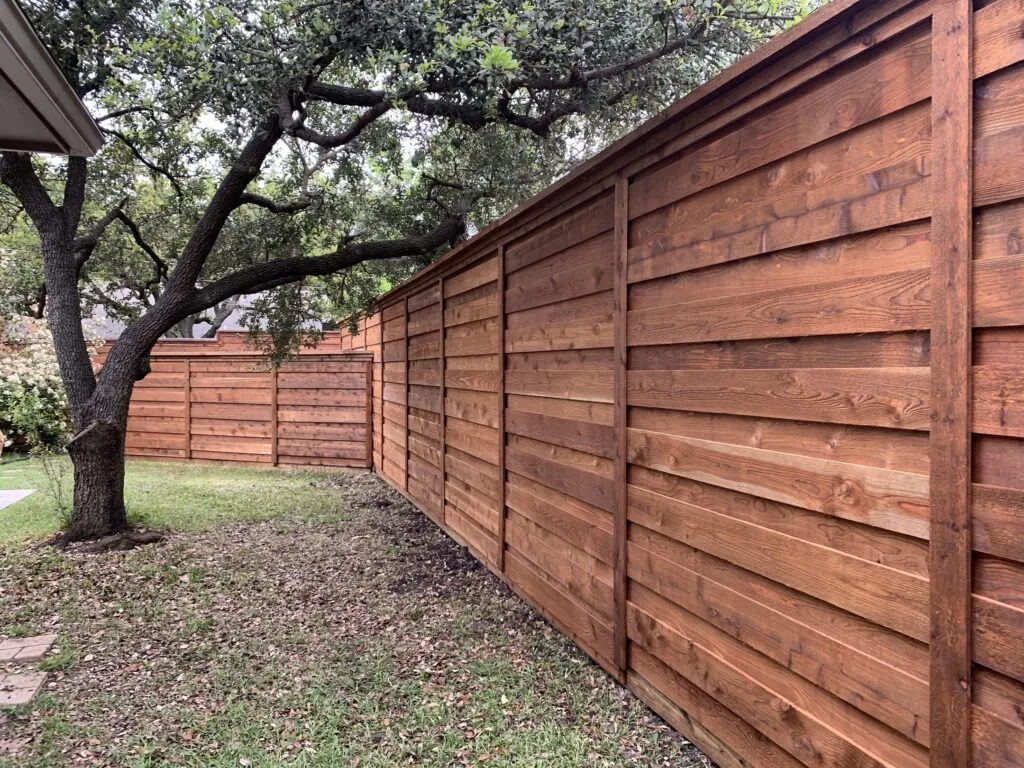
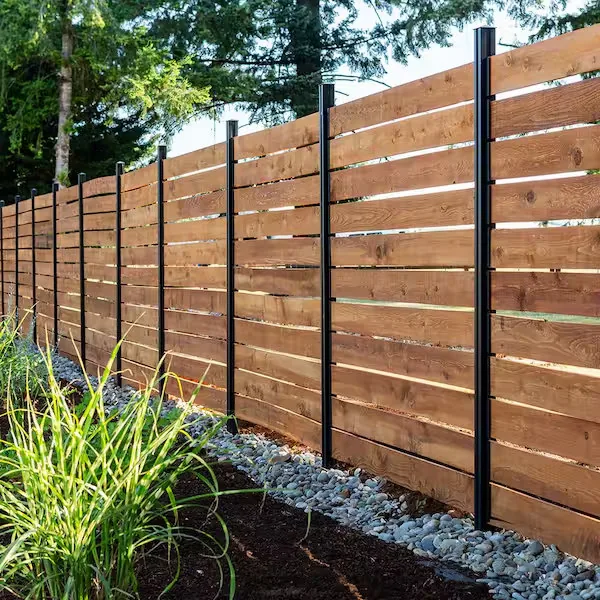
Clean, modern lines. The default now for remodels, ADUs and contemporary architecture.
Our Process
Professional installation,
every step of the way
1Free Consultation
We come out, walk the line, check the ground and talk through what suits the property and the budget.
2Custom Design
Board style, height, post spacing and gate positions agreed, then a written price with nothing hidden in it.
3Expert Installation
Posts set in concrete to the right depth, framing squared, boards fixed with hardware that will not bleed rust.
4Final Walkthrough
We walk the finished run with you, check the gates swing and latch, and clear the site properly.
5Enjoy Your Fence
Stain it every few years and a well-built cedar or redwood fence will outlast most things on the property.
Our Work
Gallery
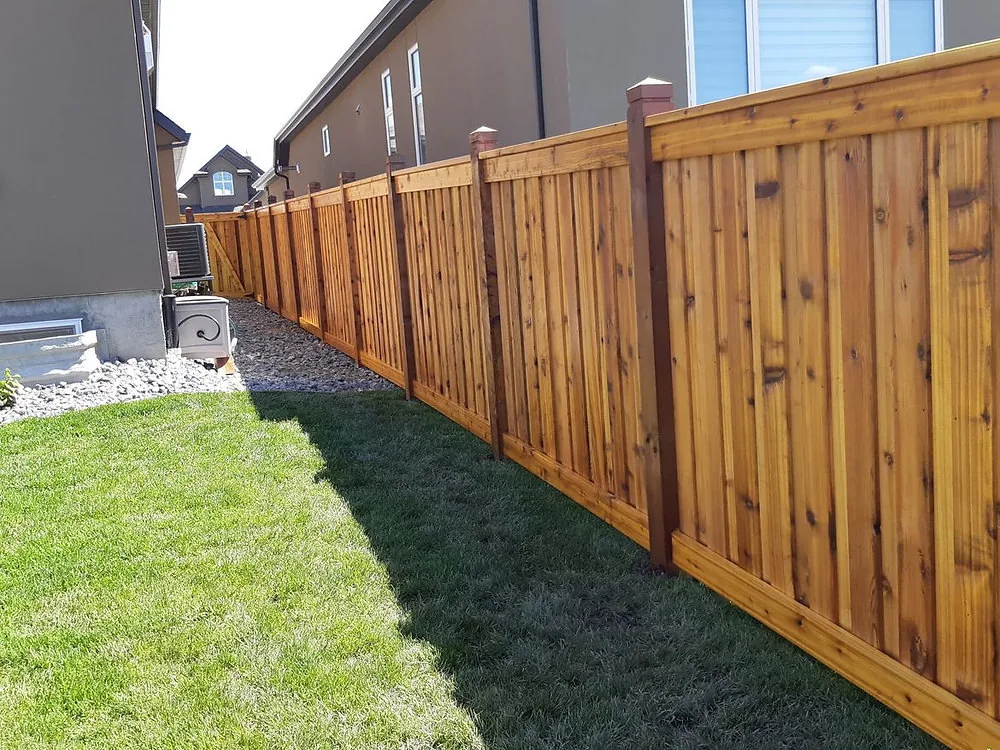
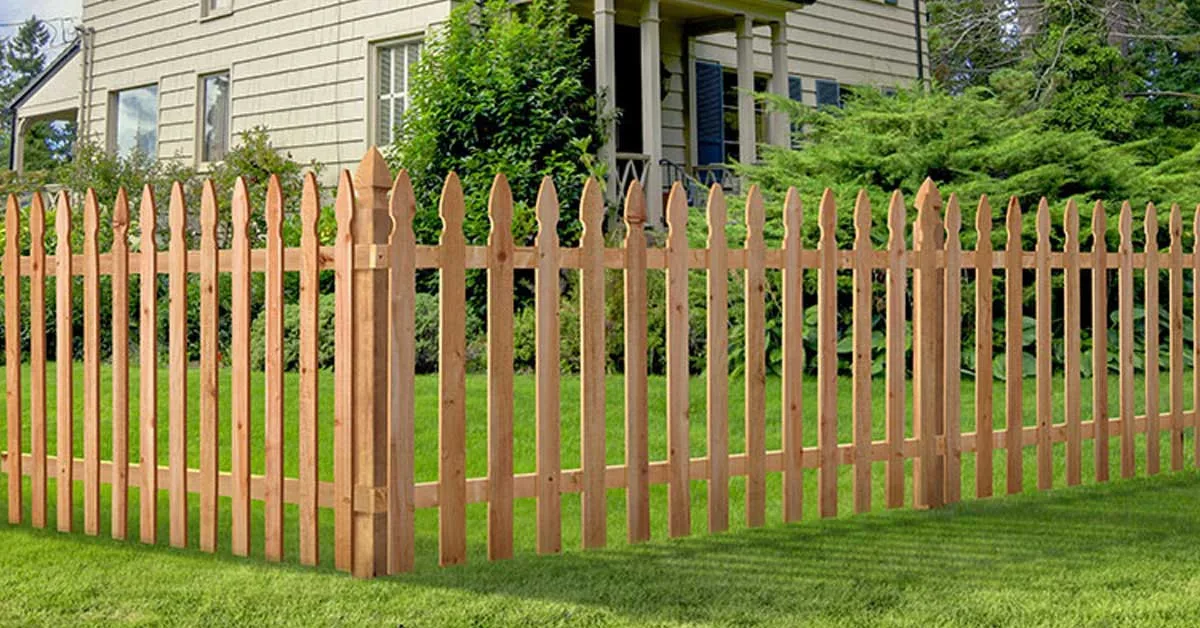
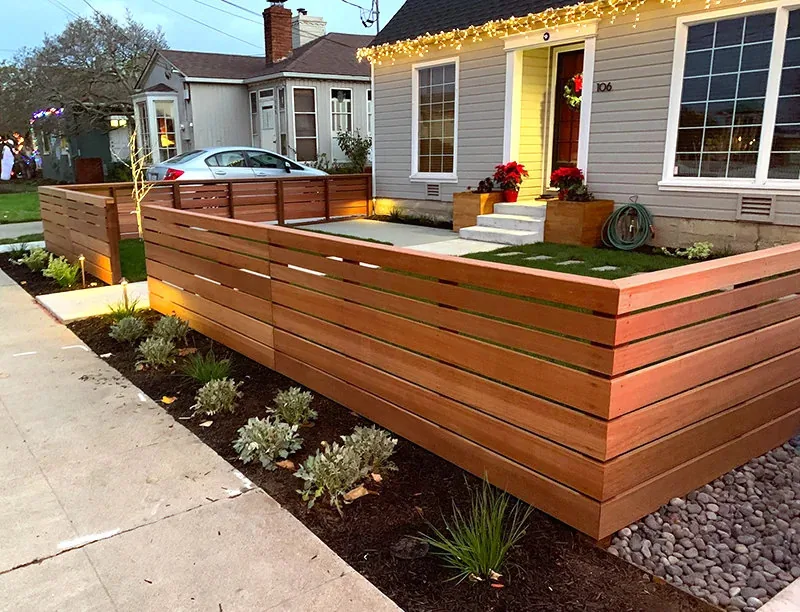
Wood fences we have built. Click any photo to see it full size.
Los Angeles & Wood Fencing
Los Angeles wood fence contractor
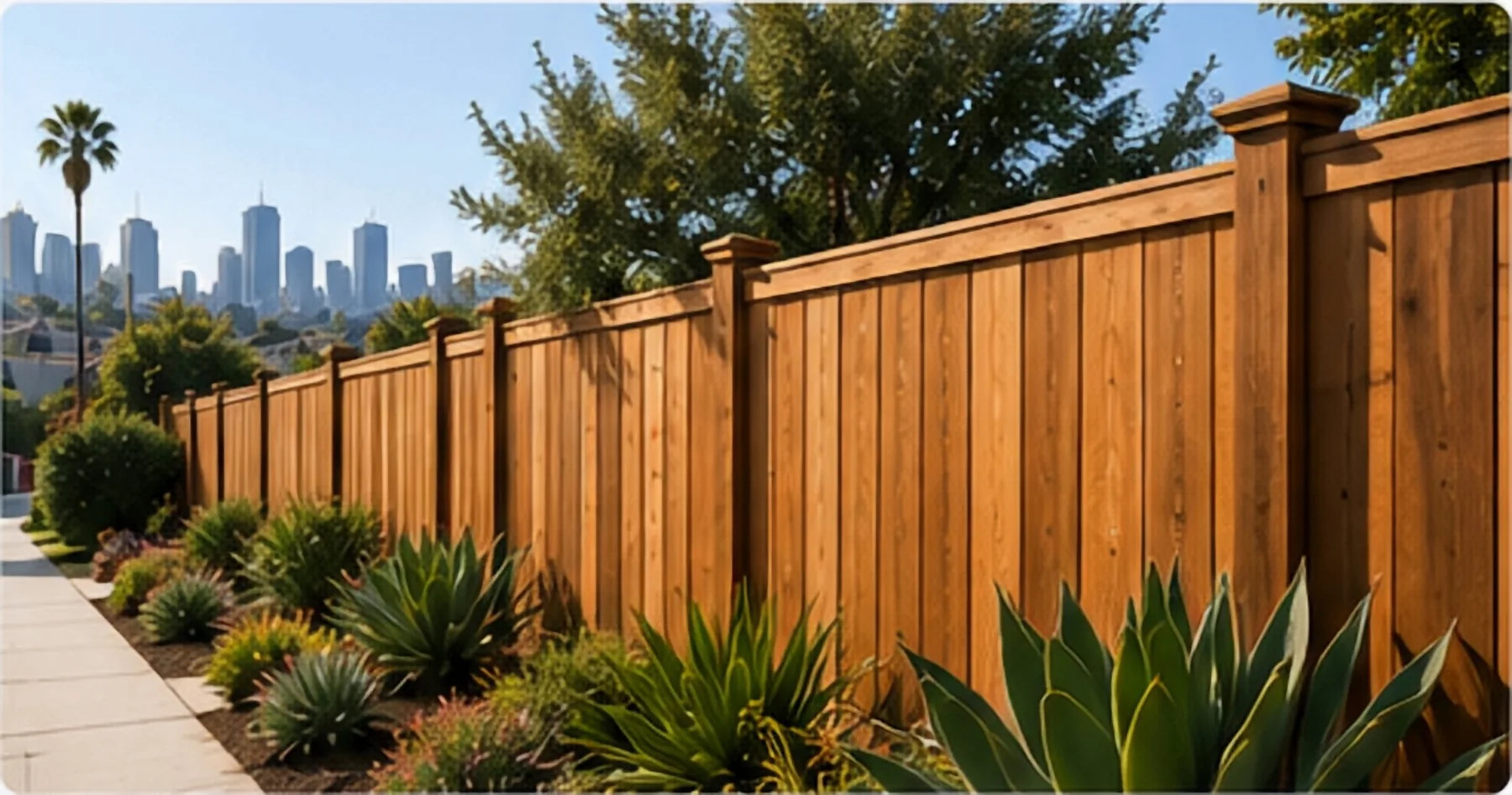
Los Angeles is sunny days, coastal air and a huge range of architecture. Your fence has to suit the house it belongs to while standing up to a climate that is harder on timber than most people realise.
We build high-quality wood fences for homes and businesses across the area, using premium materials and construction methods chosen for the conditions here — intense sun, Santa Ana winds and coastal moisture.
From classic cedar privacy fencing to custom horizontal designs, we handle the whole job: the build, the gates, and the clean-up at the end.
Wood Fence Guide
Choosing and building a wood fence in Los Angeles
The honest guide to building a wood fence in Southern California: which species to use, why fences fail at the post, what horizontal fencing really costs to do properly, and how to tell a contractor who has thought about year ten from one thinking about Friday.
On this page
- Cedar, redwood or pine — what the choice actually means
- Posts are the whole fence
- How a fence is actually built, and where corners get cut
- Horizontal fencing, and why the cheap ones wave
- What Los Angeles does to a wood fence
- Staining and sealing — the one job that matters
- Repair or replace?
- What a wood fence costs in Los Angeles
- Choosing a wood fence contractor
Cedar, redwood or pine — what the choice actually means
Almost every wood fence in Los Angeles is built from one of three species, and the difference between them is not cosmetic. It decides how the fence ages and what it costs you over twenty years.
Western red cedar
Naturally resistant to rot and insects because of the oils in the heartwood. Stable, so it stays flat rather than cupping, and it takes a stain beautifully. It is our default recommendation for most residential runs.
Redwood
Comparable durability, richer colour, and generally the most expensive of the three. Construction heart grades hold up well against ground contact and weather. If the fence is going to be the visual feature of the property, redwood is worth the money.
Pressure-treated pine
The budget option. It is chemically treated to resist rot rather than naturally resistant, and it is far less stable — expect some warping and twisting as it dries. Fine where the fence just has to do a job. Less fine where you have to look at it every day.
Whatever the species, the boards you see are only part of the cost. The posts, the framing and the hardware behind them decide whether the fence is still straight in ten years.
Posts are the whole fence
When a wood fence fails, it fails at the post, at ground level, almost every time. That is where moisture sits and where the leverage is greatest.
We set posts in concrete to a depth that suits the fence height and the ground conditions, with gravel at the base so water can drain away rather than pooling against the timber. Skimping on either is invisible on handover day and obvious after two winters.
Wood posts or steel posts
Timber posts look right and cost less. Galvanised steel posts sleeved inside a wood cover cost more but effectively remove the failure point, because there is no wood in contact with the ground. On a long run, or anywhere irrigation hits the fence line, steel posts are worth pricing.
What goes wrong
- Posts set too shallow for the height, so the run leans after the first wet season.
- Concrete poured in a hole with no drainage, holding water against the post base.
- Post spacing stretched to save materials, leaving rails spanning further than they should.
- Untreated post ends buried straight into soil.
How a fence is actually built, and where corners get cut
A board fence is posts, rails and boards. Simple, which is exactly why the differences between a good one and a cheap one hide in the detail.
- Rails. Two rails is standard on a 6ft fence. Three is better and keeps the boards flat for longer.
- Fasteners. Stainless or hot-dipped galvanised. Electroplated screws bleed rust streaks down the boards within a year.
- Ground clearance. Boards should not touch the soil. A gap at the bottom keeps them out of standing water and doubles the life of the run.
- Board spacing. Timber moves. Boards fitted tight in winter will cup in summer; boards spaced correctly stay flat.
- Cap and trim. A cap rail sheds water off the end grain at the top of the boards. Not decorative — it is the reason the tops stay sound.
None of this shows in a photo of a finished fence. All of it shows five years later.
Horizontal fencing, and why the cheap ones wave
Horizontal slat fencing has become the default for remodels across the Valley and the Westside, and for good reason. It looks contemporary and it suits modern architecture in a way that vertical board does not.
It is also less forgiving to build. A horizontal board spans between posts with nothing supporting its middle, so it needs straighter stock, closer post spacing and more framing than a vertical fence of the same height. Build one on standard vertical-fence spacing and the boards start to bow within a season — that is the waviness you see on cheap horizontal runs.
Done properly it is one of the best-looking fences you can put on a property. Done cheaply it is the one that looks worst fastest.
What Los Angeles does to a wood fence
Three things wear timber out here, and none of them is rain.
Sun
UV breaks down the surface fibres and greys the wood. It is cosmetic at first and structural eventually. This is what stain protects against, and it is why the south and west-facing runs always look older than the rest.
Irrigation
More fences are killed by sprinklers than by weather. A head that throws onto the boards keeps them permanently damp at the base, which is exactly the condition rot needs. Adjusting two sprinkler heads is the cheapest fence maintenance there is.
Santa Ana winds
A solid privacy fence is a sail. Wind load is carried entirely by the posts, which is why a shallow footing that seemed fine for years fails in one October night. Where a run is exposed, we set posts deeper and space them closer.
Staining and sealing — the one job that matters
If you do nothing else to a wood fence, stain it. It is the single biggest factor in how long the timber lasts in this climate.
- Let a new fence dry out for a few weeks before the first coat, so the stain penetrates instead of sitting on the surface.
- Re-coat every two to four years, sooner on the sun-facing side.
- A semi-transparent stain lets the grain show and wears back gracefully. Solid stain covers more but peels rather than fading.
- Clean the surface first. Stain over dust is stain that lifts.
We stain fences we have built and refinish existing ones after repairs. It is not glamorous work but it is the difference between replacing a fence at fifteen years and replacing it at thirty.
Repair or replace?
Wood has one real advantage over every panel system: it comes apart in pieces. A damaged board is a board. A rotted post is a post. Neither is a reason to take down a whole run.
Repair usually wins when the posts are sound and the framing is straight, even if a lot of boards look tired. Replacement makes more sense when several posts have failed along the same run, when the framing has racked out of square, or when repeated repairs have already cost more than half the price of a new fence.
We will tell you honestly which side of that line your fence sits on. Replacing a fence that had ten years left in it is not a service.
What a wood fence costs in Los Angeles
Wood is generally the most affordable fence to install and the most expensive to ignore. The number moves on:
- Species. Pine, then cedar, then redwood, in ascending order.
- Height and footage. The biggest single factor.
- Style. Board-on-board and horizontal use more timber than a standard vertical run.
- Posts. Steel posts add cost up front and remove the commonest failure point.
- Removal. Taking out an old fence with concrete footings is real labour.
- Ground. Slope, rock, roots and hard clay all lengthen the dig.
- Gates. Each one is a small build of its own.
Estimates are free and in writing. We would rather spend twenty minutes at the property than guess on the phone.
Choosing a wood fence contractor
Worth asking anyone who quotes your job:
- What species and grade, and is the lumber kiln dried?
- How deep are the post holes and is there gravel at the base?
- Two rails or three, and what post spacing?
- What fasteners — stainless, hot-dipped galvanised, or electroplated?
- Is there a cap rail, and is there ground clearance under the boards?
Those five questions separate contractors who think about the fence in ten years from ones thinking about it on Friday afternoon.
We are locally owned and operated, and we build and repair wood fences across Los Angeles County, the San Fernando Valley and Ventura County. If repairing what you have is the better call, we will say so.
Ready to enhance your property
with a wood fence?
with a wood fence?
Get a free estimate today and let us help you design and build the right wood fence for your home.